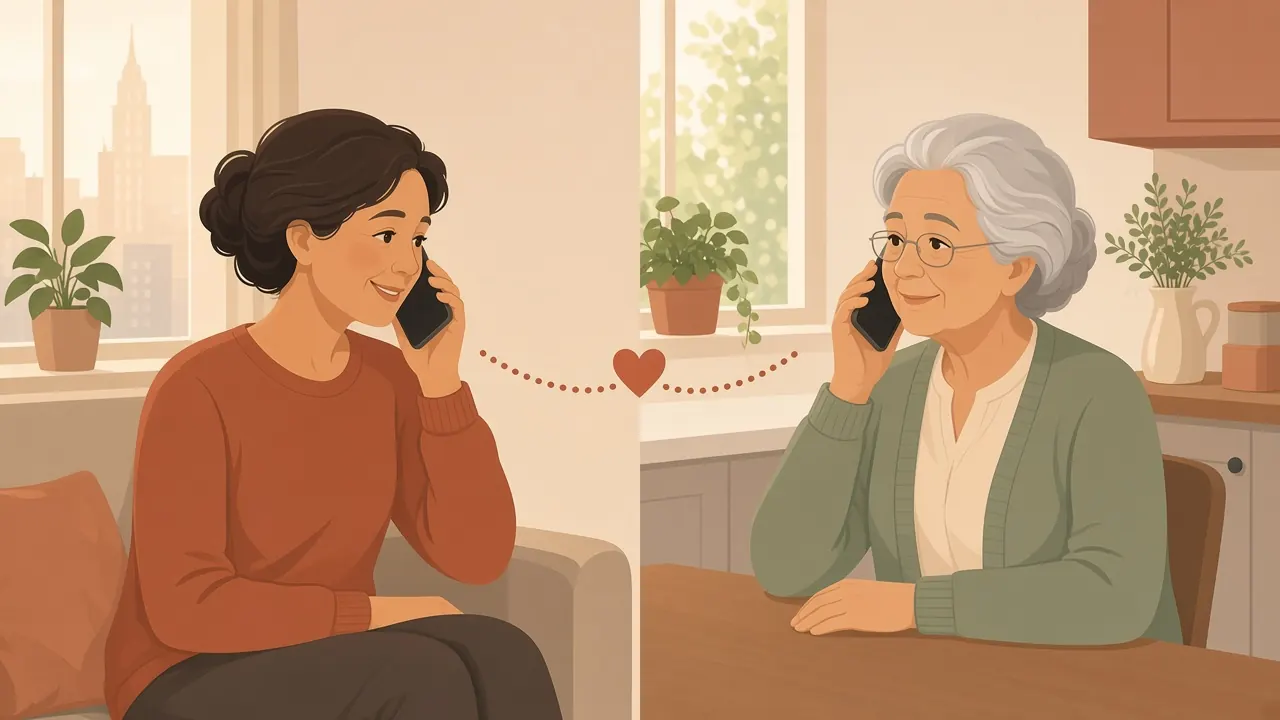
Ask, don’t lecture
Try “Have you heard about this one? What do you make of it?” Then listen.

A question lands better than a lecture. Use it with a parent or a grandparent, a sibling, a friend, a young adult, or yourself. It also helps if you are the person who needs the question.

Someone who was targeted often feels they should have known better. They may be afraid to tell the people who love them. They may be afraid to tell the bank. That silence is what the scammer is counting on.
It is not their fault. These are practiced criminals. It is always okay to tell someone.
The person you are worried about is often sharper than you expect. A parent is one example. So is a friend, a sibling, or you. The aim is to back up their judgment, not to take it over.
Keep it short. One topic is enough for one conversation.
Try “Have you heard about this one? What do you make of it?” Then listen.
A word only your family knows, so a call that sounds like a loved one in trouble can be checked.
Say you are not mad. Then use the number on the card, not the number they were given.
A weekly note is coming soon.
Officer Jason is a patrol officer. He has spent 24 years on patrol. He started these notes because people who are targeted often stay quiet, out of embarrassment, instead of telling their family or the bank.
I’m tired of watching people lose their hard-earned money, and tired of scammers getting away with taking what little some people have. This site is how I keep fighting for the vulnerable, by helping the people who love them start the conversation before it happens.
Officer Jason